
InsightsMonthly Market Wrap – July 2026
August 06, 2026 • 11 MIN READ
Key Takeaways
EQUITIES PAUSE AS THE AI TRADE COOLS
Global equities were little changed in July as a sharp pullback in semiconductor and AI-related shares offset strength elsewhere. The S&P/TSX added 1.1% while the S&P 500 slipped 0.1%, leaving both indices with healthy year-to-date gains.
BONDS GIVE BACK GROUND
The Canadian bond universe declined 1.6%, its weakest month since March, as yields rose on renewed inflation concerns. Both the Bank of Canada and the Federal Reserve held policy rates steady.
DIVERGENT MACRO CURRENTS
The U.S. economy continues to run at two speeds, powered by artificial intelligence investment, while Canada’s convincing second-quarter rebound now faces renewed tariff threats.
EARNINGS REMAIN THE FOUNDATION
Upward revisions accounted for roughly 55% of total earnings revisions in early July, the broadest positive diffusion since the COVID recovery, though expectations are becoming increasingly ambitious.
THE LOONIE FIRMS AS THE GREENBACK STALLS
The U.S. dollar depreciated in July after the Federal Reserve left rates unchanged, allowing the Canadian dollar to recover 1.1%, though it remains down 2.2% year to date.
DISCIPLINE OVER DRAMA
The evidence points to a consolidation phase rather than a reversal of the market’s uptrend, reinforcing the case for diversification, quality, and flexibility.
Introduction
Investors hoping for a quiet summer were reminded in July that markets rarely oblige. Renewed hostilities in the Middle East drove oil prices sharply higher, while a synchronized pullback in the artificial intelligence complex weighed on the segments that had led markets through the first half of the year. Global equities finished the month essentially flat, bonds surrendered part of their gains as yields climbed, and energy reasserted itself as the standout performer. Beneath the volatility, corporate earnings momentum remained firmly intact, suggesting an environment to navigate with discipline rather than one demanding wholesale change.
Equity Markets
Performance as of July 31st, 2026
| Index | July 2026 | 3-Month | Year-to-Date |
| S&P/TSX Composite (C$) | 1.1% | 3.7% | 11.1% |
| S&P 500 (US$) | -0.1% | 3.9% | 9.4% |
| Russell 1000 Growth (US$) | -4.8% | -0.8% | 0.0% |
| Russell 2000 (US$) | -3.1% | 4.7% | 18.1% |
| MSCI EAFE (US$) | 1.9% | 4.5% | 9.8% |
| FTSE Canada Universe Bond (C$) | -1.6% | 0.3% | 0.7% |
| Gold (US$) | 0.0% | -12.8% | -6.7% |
| CAD/USD | 1.1% | -3.0% | -2.2% |
Total returns as of July 31, 2026. Source: Morningstar Direct
U.S. equities were nearly unchanged in July, with the S&P 500 easing 0.1% to leave its year-to-date advance at 9.4%. The flat headline masked significant rotation beneath the surface: Energy surged 12.6% and Financials gained 6.2%, while Information Technology fell 3.4% as investors took profits across the artificial intelligence value chain. Growth benchmarks bore the brunt, with the Russell 1000 Growth index down 4.8% and the Nasdaq 100 correcting just over 10% from its highs; the synchronized nature of the decline points to a technical unwinding of crowded positions rather than deteriorating fundamentals. Small caps also cooled, with the Russell 2000 falling 3.1% in July, though it remains this year’s standout at 18.1% year to date.
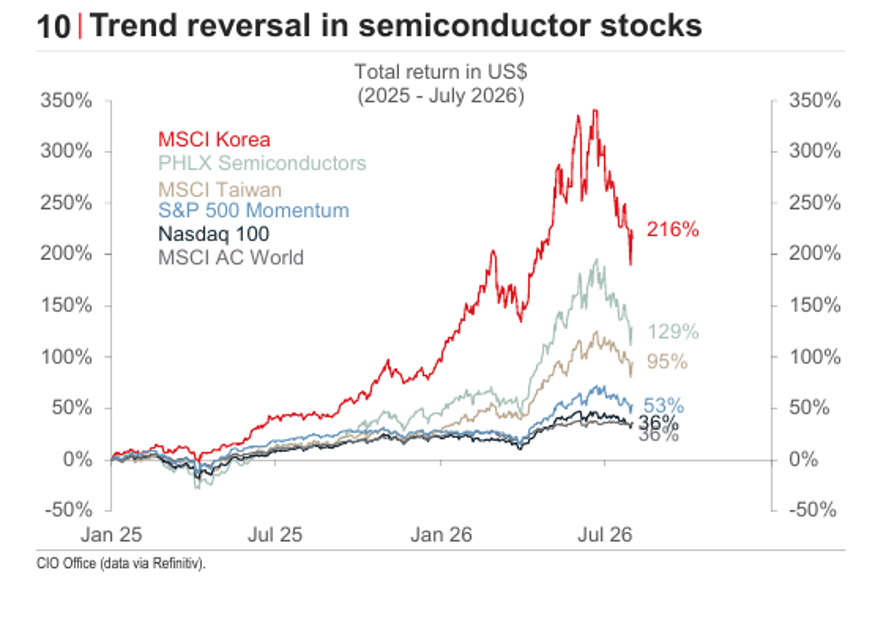
Chart 1 – Source: NBC CIO Office (data via Refinitiv). Embedded for internal review; remove or replace before publication.
Canadian equities once again demonstrated their defensive appeal in this environment. The S&P/TSX Composite advanced 1.1% in July, bringing its year-to-date return to 11.1%. Energy led with a 6.9% gain, supported by the rally in crude, while Health Care and Consumer Staples added 2.4% and 1.5%, respectively. Communication Services and Materials, down 3.3% and 3.1%, were the principal laggards. The banks remain a focal point: a historically steep yield curve, record prime-age employment, and a more accommodative regulatory stance following the reduction in the Domestic Stability Buffer continue to support the sector, although its forward price-to-earnings multiple of roughly 16 times now sits at a premium to the broader index for the first time on record, leaving little room for disappointment. Notably, markets have largely looked through renewed U.S. tariff rhetoric, treating such announcements primarily as negotiating tactics.
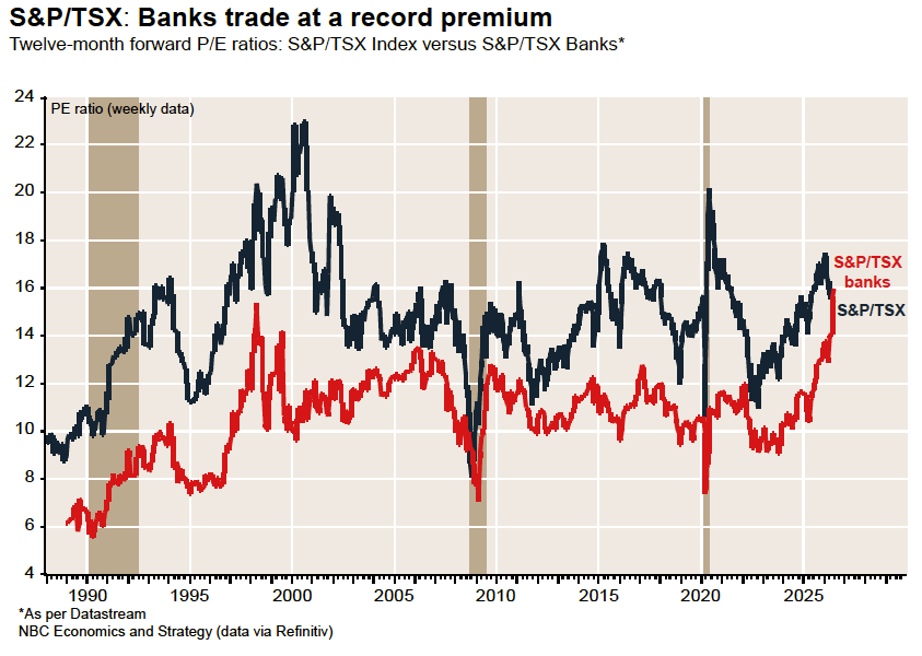
Chart 2 – Source: NBC Economics and Strategy (data via Refinitiv). Embedded for internal review; remove or replace before publication.
International markets diverged along their exposure to the technology correction. The MSCI EAFE index gained 1.9% in July, largely insulated by its limited semiconductor weighting, and is now up 9.8% year to date in U.S. dollar terms. Emerging markets, where chipmakers represent a substantial share of the benchmark, declined approximately 3% on the month, though the region remains among the strongest performers of 2026 with gains still exceeding 20%.
The earnings backdrop continues to underpin the market’s broader uptrend. Upward revisions rose to roughly 55% of total revisions in early July, the broadest positive breadth since the COVID recovery, and earnings for the Information Technology sector are now expected to grow more than 40% over the next twelve months. That optimism cuts both ways: with the bar set this high, even solid results can disappoint, and the recent pullback has usefully compressed valuations, leaving the S&P 500 near its ten-year median multiple and emerging markets near their cheapest levels in a decade.
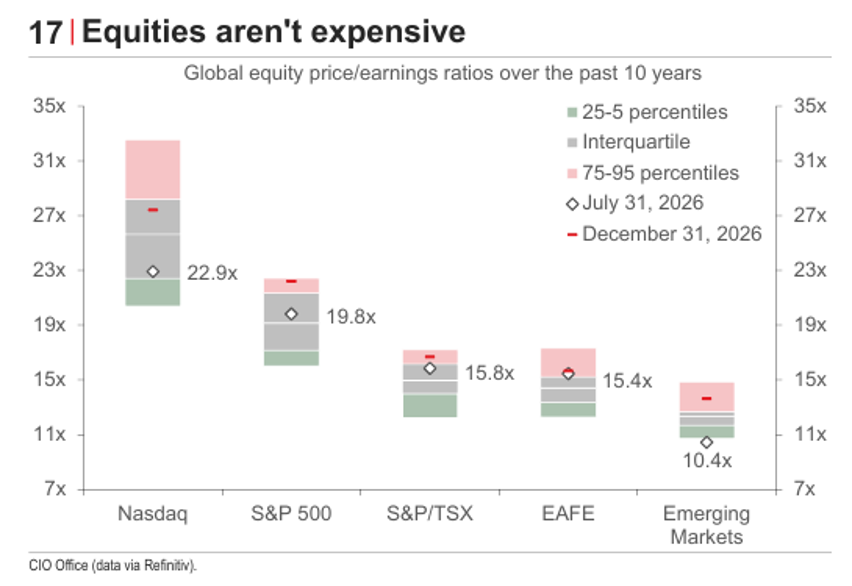
Chart 3 – Source: NBC CIO Office (data via Refinitiv). Embedded for internal review; remove or replace before publication.
Fixed Income and Credit
The Canadian fixed income universe declined 1.6% in July, its weakest monthly result since March, trimming its year-to-date return to 0.7%. Yields moved higher across the curve amid rising energy prices and renewed concerns about U.S. inflation, with long-term bonds hit hardest at -3.8% for the month. Policy rates were unchanged on both sides of the border: the Bank of Canada held its overnight rate at 2.25% on July 15, and the Federal Reserve left the fed funds target at 3.75% at its July 29 meeting.
The rates outlook remains a study in cross-border divergence. In the United States, the Federal Reserve’s sharpened focus on inflation has markets bracing for possible tightening, though that conviction may be overdone given moderating inflation expectations. Ten-year Treasury yields are likely to remain within the 4.0% to 4.7% range that has prevailed for most of the past three years, even as 30-year yields hold above 5% and the curve retains a steepening bias. In Canada, core inflation below 2% affords the central bank room to stay sidelined through year-end, with a gradual return toward neutral anticipated by mid-2027.
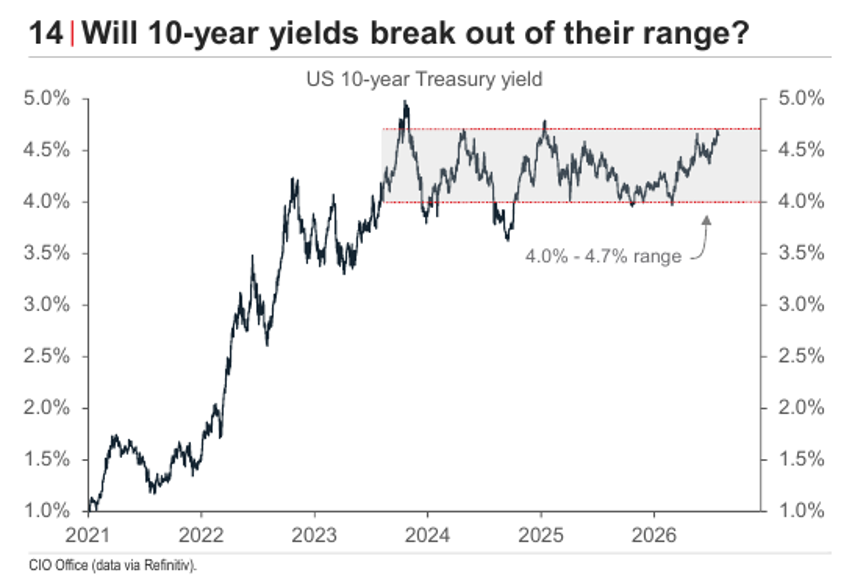
Chart 4 – Source: NBC CIO Office (data via Refinitiv). Embedded for internal review; remove or replace before publication.
Credit markets were not immune to the rate move, with U.S. investment-grade corporates down 1.5% and high yield off a more modest 0.3% in July. Corporate balance sheets remain broadly healthy and demand for credit is well supported, but with spreads offering limited compensation for risk, an emphasis on quality issuers and security selectivity remains warranted.
Commodities and Currencies
Energy dominated the commodity complex. WTI crude surged 22.1% in July and is now up 50.5% year to date, trading in the low US$90s as renewed attacks on shipping through the Strait of Hormuz and the Bab el-Mandeb corridor disrupted flows, while record refining margins kept gasoline and diesel prices elevated. Gold was essentially flat on the month and remains down 6.7% year to date following its sharp spring correction, though it retains appeal as a hedge against geopolitical risk, persistent inflation, and expanding fiscal deficits. Copper added 3.6%, bringing its year-to-date gain to 11.1%, supported by the structural demand tailwind from data-centre and electrification buildouts tied to artificial intelligence.
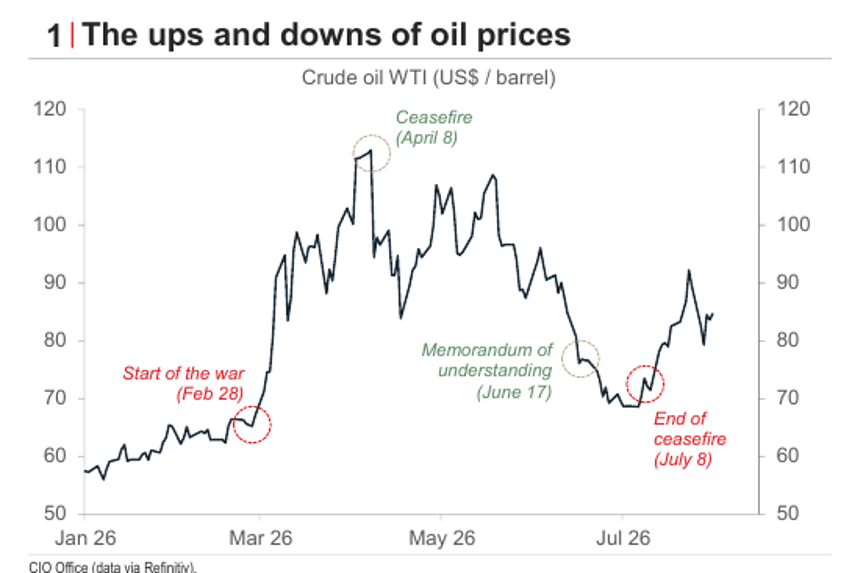
Chart 5 – Source: NBC CIO Office (data via Refinitiv). Embedded for internal review; remove or replace before publication.
In currency markets, the U.S. dollar depreciated 1.3% on a trade-weighted basis after the Federal Reserve’s decision to stand pat tempered tightening expectations. The Canadian dollar recovered 1.1% against the greenback, though it remains down 2.2% year to date with USD/CAD near 1.41. For Canadian investors, the softer U.S. dollar modestly dampened returns on unhedged foreign holdings in July, a reminder that currency effects can meaningfully influence realized results and that a deliberate approach to currency management adds value. A resolution of North American trade uncertainty, combined with Ottawa’s more pro-growth policy agenda, could set the stage for a firmer loonie into 2027.
Economic Overview
United States
The U.S. economy continues to run at two speeds. Investment tied to artificial intelligence remains the engine of growth, with AI-exposed companies planning capital expenditures of roughly US$800 billion this year, while rate-sensitive segments languish: residential investment has fallen 18.2% from its early-2021 peak, and non-residential structures investment has now contracted for nine consecutive quarters, an unprecedented streak in the postwar data.
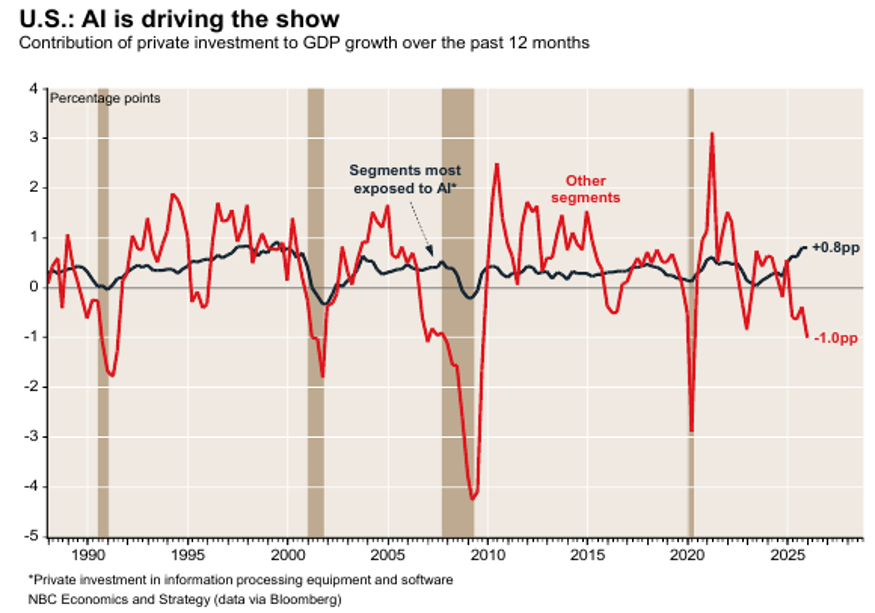
Chart 6 – Source: NBC Economics and Strategy (data via Bloomberg). Embedded for internal review; remove or replace before publication.
The consumer, which anchors the broader economy, appears to be re-accelerating after a soft start to the year. Real consumption grew just 0.5% annualized in the first quarter, the weakest in four years, but nominal retail sales rebounded at a 12.1% annualized pace over the three months ending in June. The labour market presents a similarly mixed picture: nonfarm payrolls rose a modest 57,000 in June and the household survey was weaker still, yet three-month average payroll growth of 111,000 remains sufficient to absorb a slowing flow of new entrants. Inflation is the complicating factor, with headline PCE at 4.1% year over year, although June’s monthly CPI readings were the smallest since the pandemic began, hinting that underlying pressures may finally be easing. Against this backdrop, growth is projected at 2.2% in both 2026 and 2027, with the Federal Reserve likely to remain patient rather than tighten into a cooling labour market.
Canada
The Canadian economy delivered a convincing rebound in the second quarter, with real GDP tracking annualized growth of roughly 2.5% following two consecutive quarterly contractions. April output rose 0.5%, with 14 of 20 sectors expanding, and the labour market followed suit: employment gains of 88,000 in May and a further 18,000 in June pushed the unemployment rate down to 6.5%, while youth unemployment fell to 12.7%, its lowest level since May 2024. Encouragingly, this improvement is occurring even as the population contracts, allowing GDP per capita to post its strongest growth in four years.
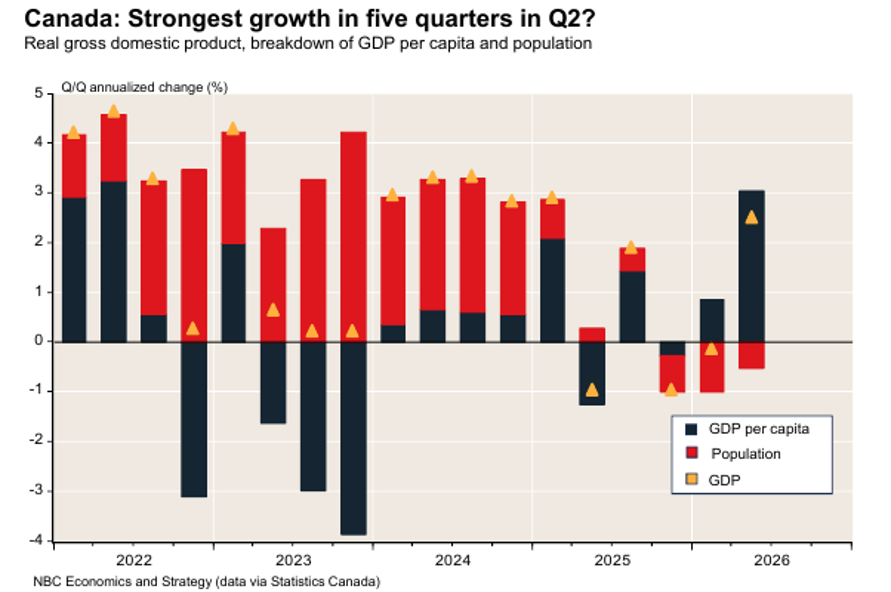
Chart 7 – Source: NBC Economics and Strategy (data via Statistics Canada). Embedded for internal review; remove or replace before publication.
Inflation dynamics give the Bank of Canada valuable room to manoeuvre. Core inflation fell below 2.0% in June for the first time since 2020, allowing policymakers to tolerate temporarily higher energy-driven headline readings, and the policy rate is expected to remain at 2.25% through the end of 2026. The principal risk is trade policy: the July 1 deadline passed without a long-term CUSMA renewal, and Washington subsequently announced 50% tariffs on roughly $20 billion of Canadian exports, effective August 19. These measures appear primarily to be a negotiating tactic, and the baseline outlook of 0.7% growth in 2026 and 1.5% in 2027 assumes they do not take effect, but the concentrated sectoral damage they would inflict warrants close monitoring. Offsetting this uncertainty, Ottawa’s most pro-growth policy agenda in over a decade, spanning a new National Electricity Strategy, large-scale data-centre construction, and approval of a major new oil pipeline to the West Coast, is beginning to revive business confidence and investment intentions.
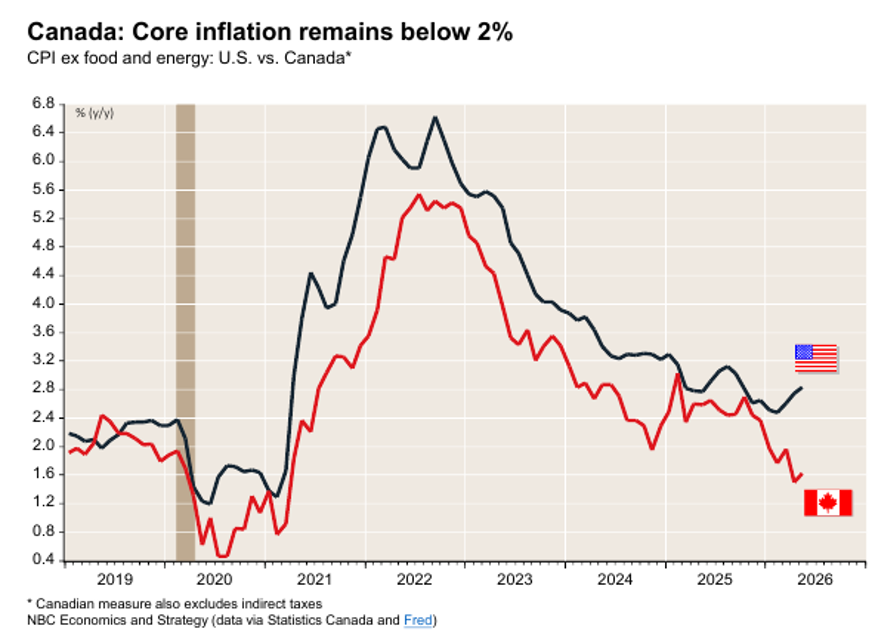
Chart 8 – Source: NBC Economics and Strategy (data via Statistics Canada and FRED). Embedded for internal review; remove or replace before publication.
Bottom Line
July tested the market’s resilience and, on balance, the market passed. A geopolitical shock to energy markets and a sharp correction in the year’s most crowded trade produced consolidation rather than contagion, and the weight of evidence, from broadening earnings revisions to more reasonable valuations, suggests the uptrend that began this cycle remains supported by fundamentals rather than sentiment alone.
The list of items to monitor has nevertheless grown. The trajectory of the Middle East conflict and its transmission through energy prices, unresolved CUSMA negotiations and the August tariff deadline, and the persistence of U.S. inflation alongside an unpredictable Federal Reserve all argue against complacency. Elevated expectations for technology earnings leave that leadership group vulnerable to even modest disappointment.
In this environment, we remain focused on maintaining diversification across asset classes, regions, and currencies, emphasizing quality investments with durable earnings and strong balance sheets, and preserving flexibility within portfolios. Periods of consolidation such as this one are a normal feature of healthy markets, and we are prepared to treat further weakness as an opportunity rather than a threat, while keeping a disciplined eye on the risks that would change our assessment.
Sources Used
• Index Performance – July 2026 (Excel) – authoritative source for all index, gold, and currency returns cited in prose and in the performance table.
• Asset Allocation Strategy, CIO Office, August 2026 (“Summer clouds”) – market review, sector returns, semiconductor correction, valuations, oil range, rates range, positioning context.
• Monthly Equity Monitor, NBC Economics and Strategy, July-August 2026 – earnings revisions and EPS expectations, S&P/TSX banks analysis, Canadian policy developments, sector rotation context.
• Monthly Fixed Income Monitor, NBC Economics and Strategy, July/August 2026 – Fed and BoC policy outlook, yield forecasts, curve dynamics, Canadian core inflation measures.
• Forex, NBC Economics and Strategy, July 2026 – USD, CAD, EUR, JPY dynamics; currency forecasts; Canadian GDP and investment backdrop.
• Monthly Economic Monitor – World / U.S. / Canada, NBC Economics and Strategy, July/August 2026 – global growth forecasts, U.S. two-speed economy analysis, consumer and labour data, Canadian economic rebound, tariff developments.