
InsightsMonthly Market Wrap – September 2026
October 08, 2026 • 11 MIN READ
Key Takeaways
EQUITIES BEND BUT DO NOT BREAK
Global equities finished September with only modest losses despite surging bond yields, closing out a positive third quarter. The S&P/TSX declined 2.9% on the month but remains up 11.1% year to date, while the S&P 500 slipped 0.5% in U.S. dollar terms and holds an 11.8% advance for 2026.
BONDS REPRICE AS THE FED RESUMES HIKING
The Federal Reserve delivered its first rate increase since 2023, and the Canadian bond universe declined 1.2% in September as the U.S. 10-year yield reached its highest level since 2007. The silver lining: forward return prospects for bonds have improved meaningfully.
A TWO-SPEED MACRO BACKDROP
U.S. growth is accelerating on an artificial intelligence investment boom even as rate-sensitive sectors strain, while Canada’s strong second-quarter rebound is losing momentum under new tariffs and a softening labour market.
EARNINGS ARE CARRYING THE MARKET
Second-quarter S&P 500 earnings grew roughly 50% year over year and trailing earnings are expanding at their fastest pace in a generation outside post-recession rebounds, though expectations for the year ahead, particularly in technology, leave little room for disappointment.
THE GREENBACK REASSERTS ITSELF
The U.S. dollar appreciated 2.0% on a trade-weighted basis in September on resilient data and a more hawkish Federal Reserve, and the Canadian dollar gave back 2.4% against it, cushioning unhedged foreign returns for Canadian investors.
DISCIPLINE OVER DRAMA
With equity gains consolidating and bond yields at multi-decade highs, the case for diversification, quality, and flexibility is as strong as it has been all year, and the repricing in fixed income has restored genuine value to the asset class.
Introduction
September delivered a study in contrasts. Equity markets remained remarkably composed, consolidating a third consecutive quarterly gain within a few percentage points of record highs, even as bond markets endured their most difficult stretch of the year. The Federal Reserve raised its policy rate for the first time since 2023, long-term government yields climbed to levels last seen nearly two decades ago, and energy prices continued to pressure inflation expectations amid persistent disruption in the Strait of Hormuz. For investors, the disconnect between calm equities and strained bonds is the defining tension to navigate heading into the final quarter of the year.
Equity Markets
Performance as of September 30th, 2026
| Index | September 2026 | 3-Month | Year-to-Date |
| S&P/TSX Composite (C$) | -2.9% | 1.1% | 11.1% |
| S&P 500 (US$) | -0.5% | 2.0% | 11.8% |
| Russell 1000 Growth (US$) | 2.1% | 0.8% | 5.9% |
| Russell 2000 (US$) | -5.4% | -7.5% | 12.7% |
| MSCI EAFE (US$) | -3.3% | 0.3% | 8.1% |
| FTSE Canada Universe Bond (C$) | -1.2% | -3.1% | -0.9% |
| Gold (US$) | -8.5% | 3.6% | -3.3% |
| CAD/USD | -2.4% | 0.0% | -3.4% |
Total returns as of September 30, 2026. Source: Morningstar Direct
U.S. equities proved resilient in September, with the S&P 500 slipping just 0.5% in U.S. dollar terms to preserve an 11.8% year-to-date advance and a 2.0% gain for the third quarter. Leadership narrowed considerably: Information Technology rose 4.5% and Communication Services added 4.3% on continued enthusiasm for artificial intelligence, while every other sector finished the month in negative territory, with Financials down 7.2% and Materials off 6.7%. Energy remains the standout of 2026 with a 40.3% year-to-date return. Small caps felt the rate pressure more acutely, as the Russell 2000 declined 5.4% on the month, though it retains a 12.7% gain for the year, while large-cap growth proved the month’s refuge: the Russell 1000 Growth index added 2.1%, lifting its year-to-date return to 5.9%.
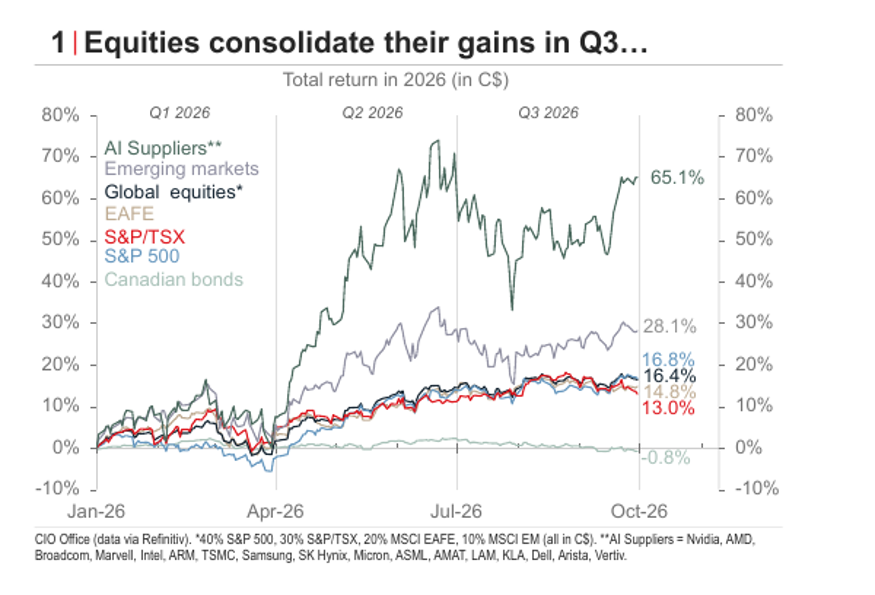
Chart 1 – Source: NBC CIO Office (data via Refinitiv)
Canadian equities gave back ground after a strong summer, with the S&P/TSX Composite declining 2.9% in September while still closing the quarter up 1.1% and holding an 11.1% year-to-date return. Materials fell 7.4% as gold retreated under rising real interest rates, and Communication Services dropped 9.8%, while Information Technology advanced 3.5% as the only positive sector. The year-to-date picture remains constructive, led by Energy at 27.7% and Financials at 19.5%. Notably, the index set a record high in late August despite the breakdown in Canada-U.S. trade talks and the imposition of new 50% tariffs on roughly 5% of Canadian exports, a reminder that the benchmark’s resource and financial orientation, and its comparatively modest exposure to the artificial intelligence theme, leave it less vulnerable to rising bond yields than its U.S. counterpart.
International markets lagged in September. The MSCI EAFE index declined 3.3% in U.S. dollar terms, trimming its year-to-date gain to a still healthy 8.1%, while emerging markets slipped a more modest 0.5% and remain the year’s leader at 23.7%. That leadership has come with turbulence: emerging market volatility has climbed to its highest level since 2020 in absolute terms, and its highest relative to the rest of the world since 2009, reflecting the region’s concentrated exposure to the artificial intelligence trade.
The earnings backdrop remains the market’s foundation, and its principal vulnerability. Global earnings growth expectations for the year ahead sit near 20%, with Information Technology earnings expected to rise more than 40% over the next twelve months. With forward price-to-earnings multiples around 20 times for the S&P 500, the equity risk premium has turned negative for the first time in over two decades, so guidance will need to be met to sustain momentum. More encouragingly, the major indices now trade at lower multiples than they did at the start of the year, with the S&P/TSX near 15.6 times forward earnings and valuations across the artificial intelligence complex close to their lowest levels since late 2022.
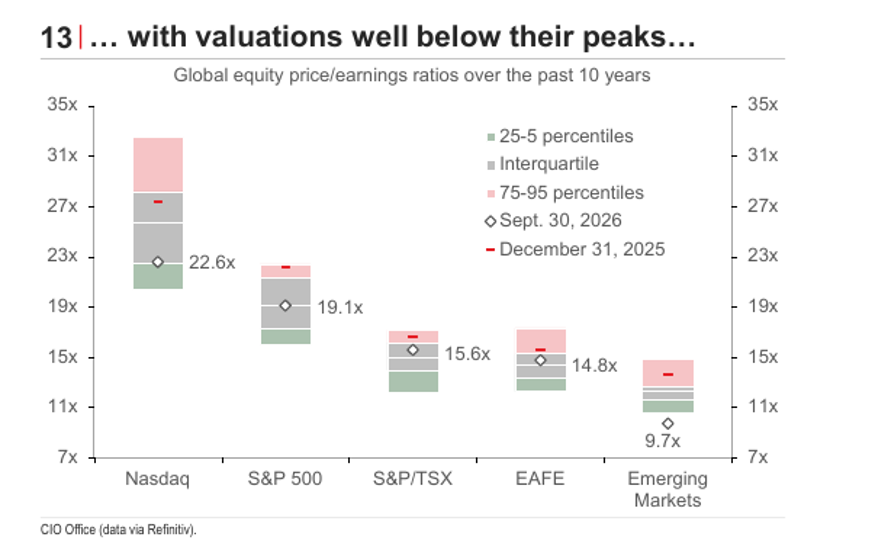
Chart 2 – Source: NBC CIO Office (data via Refinitiv)
Fixed Income and Credit
September was the most challenging month of the year for fixed income. The Canadian bond universe declined 1.2%, its third-quarter loss reaching 3.1% and its year-to-date return falling into negative territory at -0.9%, with long-term bonds hit hardest at -1.8% and corporates holding up better at -0.7%. The catalyst was policy: the Federal Reserve delivered its first rate increase since 2023, striking a decidedly more hawkish tone than markets had anticipated, while the Bank of Canada held its overnight rate at 2.25% in early September but placed new emphasis on upside inflation risks. The Bank’s next decision arrives October 28, with a fresh set of inflation forecasts.
The move at the long end has been striking. The U.S. 10-year Treasury yield broke above its 2023 high in September to reach its highest level since 2007, and 30-year yields across major economies sit near generational highs, reflecting large fiscal deficits, heavy sovereign issuance, and a rising term premium as much as inflation itself. Markets now price roughly four additional Federal Reserve hikes over the coming year; the base case calls for two, with the Bank of Canada potentially following in 2027 should trade tensions de-escalate. Rate volatility is likely to persist as each inflation print recalibrates those expectations.
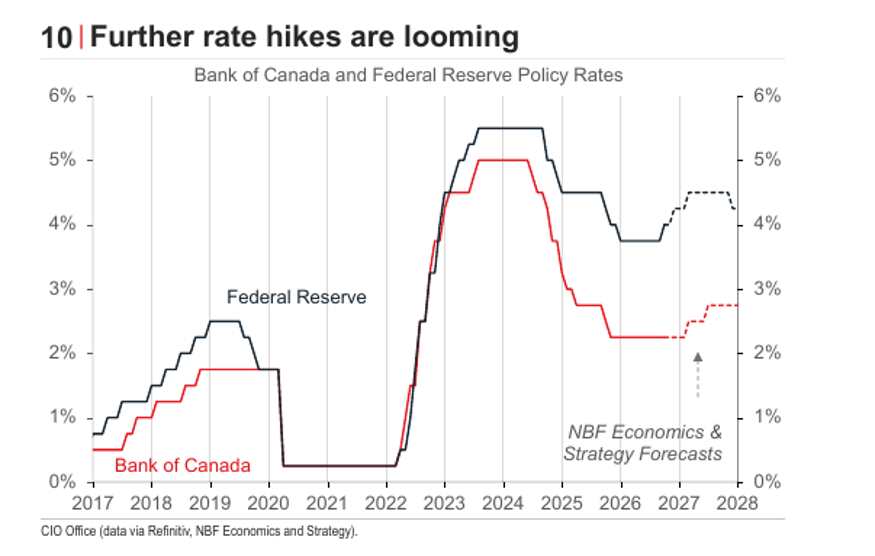
Chart 3 – Source: NBC CIO Office (data via Refinitiv, NBF Economics and Strategy)
Credit markets were not spared, with U.S. investment-grade corporates down 2.6% and high yield off 2.5% in September. Corporate balance sheets remain broadly healthy, but with spreads offering limited compensation at this stage of the cycle, an emphasis on quality issuers and selectivity remains warranted. The constructive counterpoint is arithmetic: after the sharp rise in yields, the asymmetry of prospective bond returns has improved materially, with Canadian universe bonds now positioned to deliver roughly 4% over the coming year even if rates simply hold steady, and considerably more should yields decline.
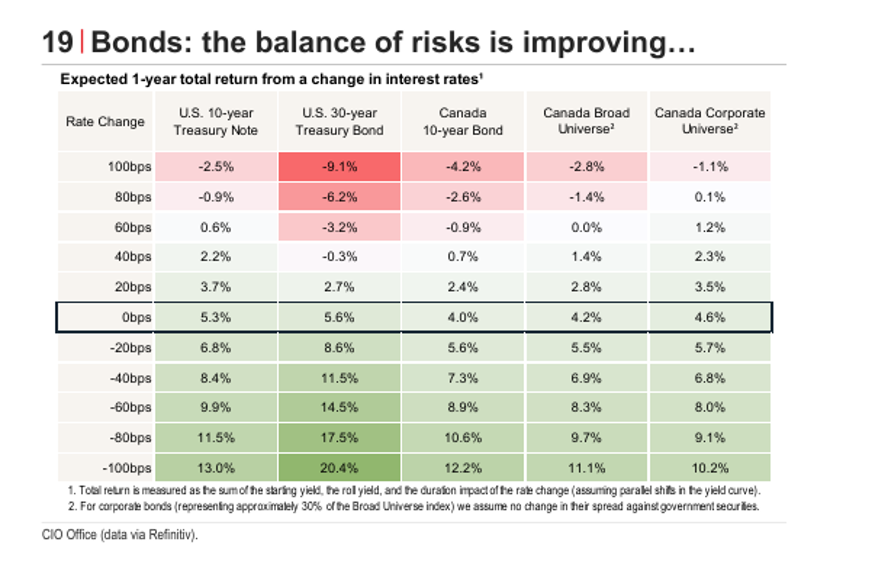
Chart 4 – Source: NBC CIO Office (data via Refinitiv).
Commodities and Currencies
Energy once again dominated the commodity complex. WTI crude surged 11.7% in September and is now up 69.7% year to date, trading above US$90 per barrel as an agreement between the United States and Iran remained elusive and traffic through the Strait of Hormuz stayed well below normal. The strain is most visible in refined products, where diesel prices have surpassed the records set after Russia’s invasion of Ukraine in 2022. Gold declined 8.5% on the month as rising real interest rates and a firmer U.S. dollar weighed on the metal, though it still gained 3.6% over the quarter and retains its role as a hedge against geopolitical and fiscal risk. Copper was essentially flat in September and is up 16.1% for the year, supported by the structural demand tailwind from data-centre and electrification buildouts tied to artificial intelligence.
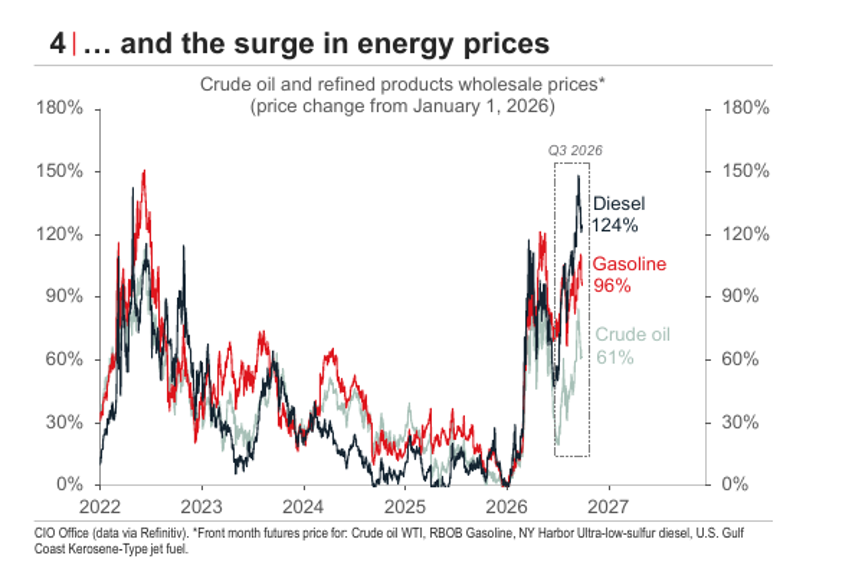
Chart 5 – Source: NBC CIO Office (data via Refinitiv)
In currency markets, the U.S. dollar appreciated 2.0% on a trade-weighted basis in September, supported by resilient economic data and the Federal Reserve’s hawkish turn. The Canadian dollar weakened 2.4% against the greenback, leaving USD/CAD near 1.38 and the loonie down 3.4% for the year. For Canadian investors, that depreciation provided a meaningful cushion on unhedged U.S. holdings in a month when underlying markets were soft, a useful illustration of why deliberate currency management matters. Looking ahead, the pair could drift toward 1.40 in the near term given tariff-related growth risks, before the loonie resumes its appreciation into 2027, assuming Canada-U.S. trade discussions ultimately reach a favourable outcome.
Economic Overview
United States
The U.S. economy is accelerating, powered by an artificial intelligence investment boom. After nearly three years of contraction, manufacturing has returned to growth, with more than half of the past year’s gains in output attributable to the computers and electronics segment, which represents under 7% of total production. The services ISM reached a six-month high of 55.4 in August, private investment in information processing equipment and software has grown at more than twice the pace of the rest of the economy since late 2022, and data-centre construction spending has risen more than sevenfold, now exceeding spending on office buildings. Real GDP growth is forecast at 2.3% in both 2026 and 2027.
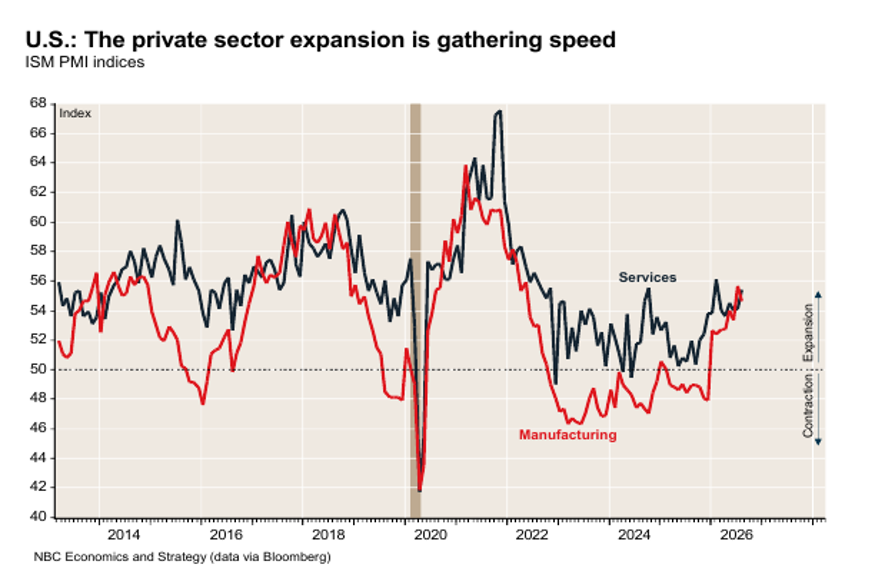
Chart 6 – Source: NBC Economics and Strategy (data via Bloomberg)
The labour market is strengthening alongside the investment cycle. Nonfarm payrolls rose 162,000 in August, roughly three times the consensus forecast, the household survey recorded its strongest gain in 19 months, and the unemployment rate held at 4.1%, below most estimates of full employment. The complication is inflation, which has now run above the 2% target for more than five years and is forecast to average 3.4% in 2026, with energy prices adding renewed pressure. Against that backdrop the Federal Reserve resumed tightening in September, and the path of long-term yields may matter more than the policy rate itself: borrowing costs at current levels continue to weigh on housing, and rising delinquencies suggest household balance sheets are feeling the strain even as aggregate growth remains robust.
Canada
Canada’s economy delivered a welcome rebound in the second quarter, with real GDP expanding at a robust 3.3% annualized pace and real gross domestic income surging 8%, its strongest increase since 2002, as higher energy prices improved the terms of trade. Private domestic demand posted its largest gain in four years, led by a 22.6% annualized jump in machinery and equipment investment concentrated in computers and peripheral equipment. The momentum, however, appears to be fading: the preliminary estimate points to flat output in July, housing starts have fallen to a 16-month low, and employment declined by 42,000 in August, leaving the unemployment rate at 6.4%.
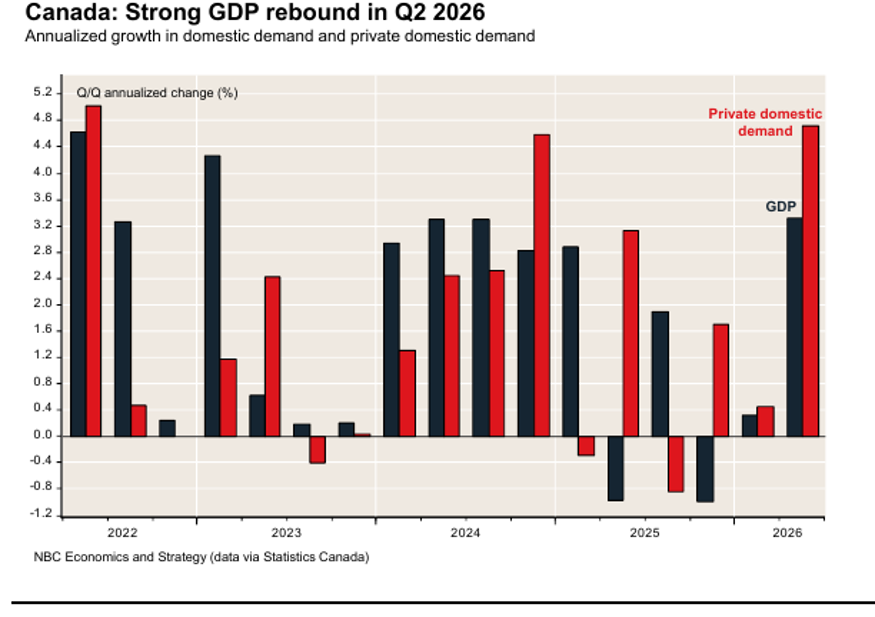
Chart 7 – Source: NBC Economics and Strategy (data via Statistics Canada)
Trade policy is the central risk. With CUSMA not renewed on a long-term basis and Washington’s new 50% tariffs under Section 338 now in effect, the average tariff rate on Canadian goods has roughly doubled to about 6%, and the effective rate on manufacturing is near 10%; approximately 100,000 jobs are estimated to be at risk over 18 months if the measures persist without offsetting support. The baseline outlook of 0.9% growth in 2026 and 1.4% in 2027 assumes trade tensions ultimately de-escalate, an outcome both sides retain strong incentives to pursue given that Canada is the leading export market for 27 U.S. states. Encouragingly, core inflation has returned to the midpoint of the Bank of Canada’s target range and wage growth has slowed to 2.3%, its lowest in more than five years, giving the central bank room for patience while the economy remains in excess supply.
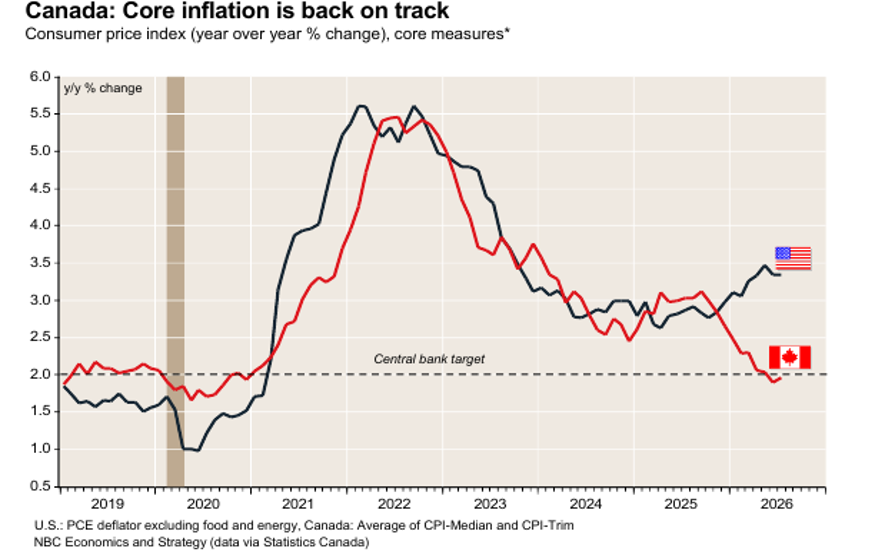
Chart 8 – Source: NBC Economics and Strategy (data via Statistics Canada)
Bottom Line
September’s key message is that the equity market’s foundation, exceptional earnings growth, has so far proven sturdy enough to absorb a meaningful tightening shock. A resumed Federal Reserve hiking cycle, sovereign yields at multi-decade highs, and another leg higher in energy prices produced only modest equity losses and a completed third consecutive positive quarter, with valuations now lower than where they began the year.
The risks into year-end are real and interconnected. A prolonged closure of the Strait of Hormuz could push energy-driven inflation into broader price pressures, forcing central banks to tighten further than markets can comfortably absorb; the longer policy restriction builds, the greater the chance of an eventual growth surprise. Closer to home, Canada-U.S. trade relations remain unresolved, and earnings expectations, particularly the 40%-plus growth anticipated for technology, set a demanding bar.
In this environment, we remain focused on maintaining diversification across asset classes, regions, and currencies, emphasizing quality investments with durable earnings and strong balance sheets, and preserving flexibility within portfolios. The sharp rise in yields has restored genuine value to fixed income for the first time in years, and the balance of risks for bonds over the coming year has clearly improved. We are prepared to treat further weakness in either asset class as an opportunity rather than a threat.
Sources Used
• Index Performance – Sep 2026 (Morningstar Direct)
• Asset Allocation Strategy, CIO Office, October 2026 (“Comfortably numb”)
• Monthly Equity Monitor, NBC Economics and Strategy, September 2026
• Monthly Fixed Income Monitor, NBC Economics and Strategy, September 2026
• Forex, NBC Economics and Strategy, September 2026
• Monthly Economic Monitor – U.S. / Canada, NBC Economics and Strategy, September 2026